World Menopause Day 2025
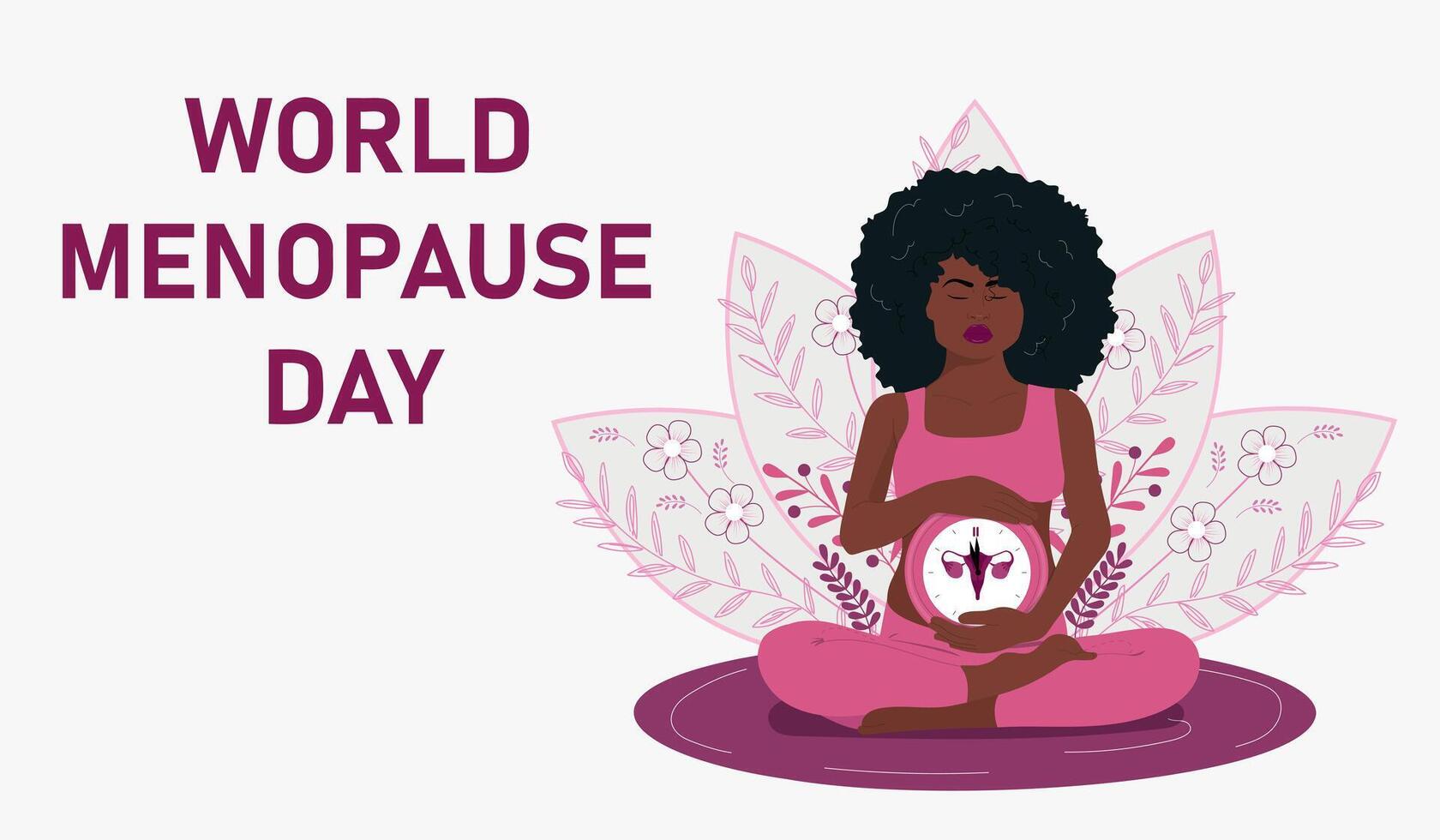
18 October marks World Menopause Day – a global awareness day dedicated to highlighting the experiences of those going through the menopause and perimenopause, and to encourage open conversations about support and treatment.
Understanding the Menopause
The menopause is a natural stage of life that usually occurs between the ages of 45 and 55, when periods stop due to declining hormone levels. Some people may experience it earlier, either naturally or as a result of medical treatments.
The time leading up to the menopause – known as the perimenopause – can last several years and may bring a range of symptoms.
Common Symptoms
- Hot flushes and night sweats
- Changes to periods (irregular or heavier/lighter bleeding)
- Mood changes, anxiety or low mood
- Sleep disturbances
- Brain fog or difficulties with concentration
- Vaginal dryness and discomfort during sex
- Reduced libido
- Joint or muscle aches
Not everyone experiences all symptoms, but for some, these changes can significantly affect daily life.
Support and Treatment
The good news is there are many ways to manage symptoms. These include:
- Lifestyle changes: regular exercise, a balanced diet, limiting alcohol and stopping smoking
- Hormone Replacement Therapy (HRT): replaces the hormones that naturally decline, and can be very effective for many symptoms
- Non-hormonal options: including certain medicines, vaginal moisturisers, and counselling support
- Talking therapies: for managing mood and sleep issues
Your GP can help you explore the options that are right for you.
When to See Your GP
Book an appointment if:
- Your symptoms are affecting your quality of life
- You’d like to discuss HRT or other treatment options
- You experience bleeding after the menopause (after 12 months without a period) – this should always be checked promptly
Breaking the Stigma
This World Menopause Day 2025, let’s keep the conversation open. Talking about the menopause helps break down stigma, ensures better support, and empowers people to seek the care they need.
If you’d like advice or support, please contact the practice to book an appointment with a GP or nurse.