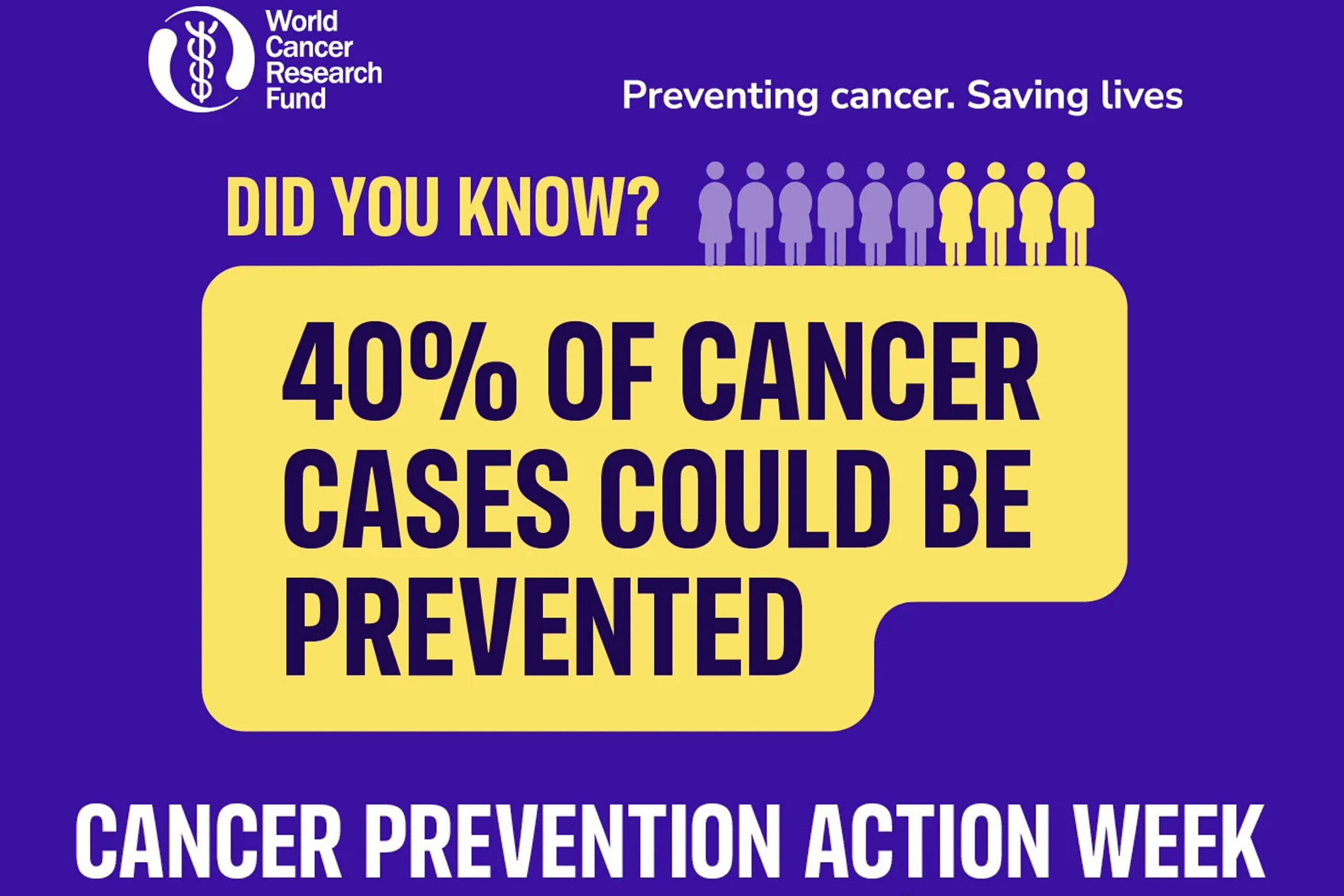
National Cancer Prevention Week: Small Steps Today for a Healthier Tomorrow
National Cancer Prevention Week is a timely reminder that many cancers can be prevented through informed choices and early action. While not all cancers are avoidable, research shows that lifestyle changes, regular screenings, and awareness can significantly reduce cancer risk and improve long-term health outcomes.
Why Cancer Prevention Matters
Cancer remains one of the leading causes of illness worldwide, but up to one-third of cases are preventable. By understanding risk factors and making healthier choices, individuals and communities can take meaningful steps toward reducing the burden of cancer.
Key Ways to Reduce Cancer Risk
1. Maintain a Healthy LifestyleEating a balanced diet rich in fruits, vegetables, and whole grains, staying physically active, and maintaining a healthy weight can lower the risk of several types of cancer.
2. Avoid Tobacco and Limit AlcoholTobacco use is the single largest preventable cause of cancer. Quitting smoking or avoiding tobacco altogether greatly reduces risk. Limiting alcohol consumption also plays an important role in prevention.
3. Protect Your SkinSkin cancer is one of the most common—and preventable—cancers. Use sunscreen, seek shade during peak sun hours, and avoid indoor tanning.
4. Attend Regular ScreeningsEarly detection saves lives. Routine screenings such as mammograms, cervical screenings, bowel checks, and prostate exams can help detect cancer early, when treatment is most effective.
5. Know Your Family HistoryUnderstanding your family’s medical history can help identify inherited risks and guide conversations with healthcare professionals.
A Community Effort
Cancer prevention isn’t just an individual responsibility—it’s a shared one. Supporting smoke-free environments, access to healthy foods, safe outdoor spaces, and preventive healthcare helps build healthier communities for everyone.
Take Action This Week
National Cancer Prevention Week is the perfect opportunity to reflect, learn, and take action. Whether it’s booking a screening, making a lifestyle change, or sharing information with loved ones, every small step counts.
Together, we can reduce cancer risk and create a healthier future.