
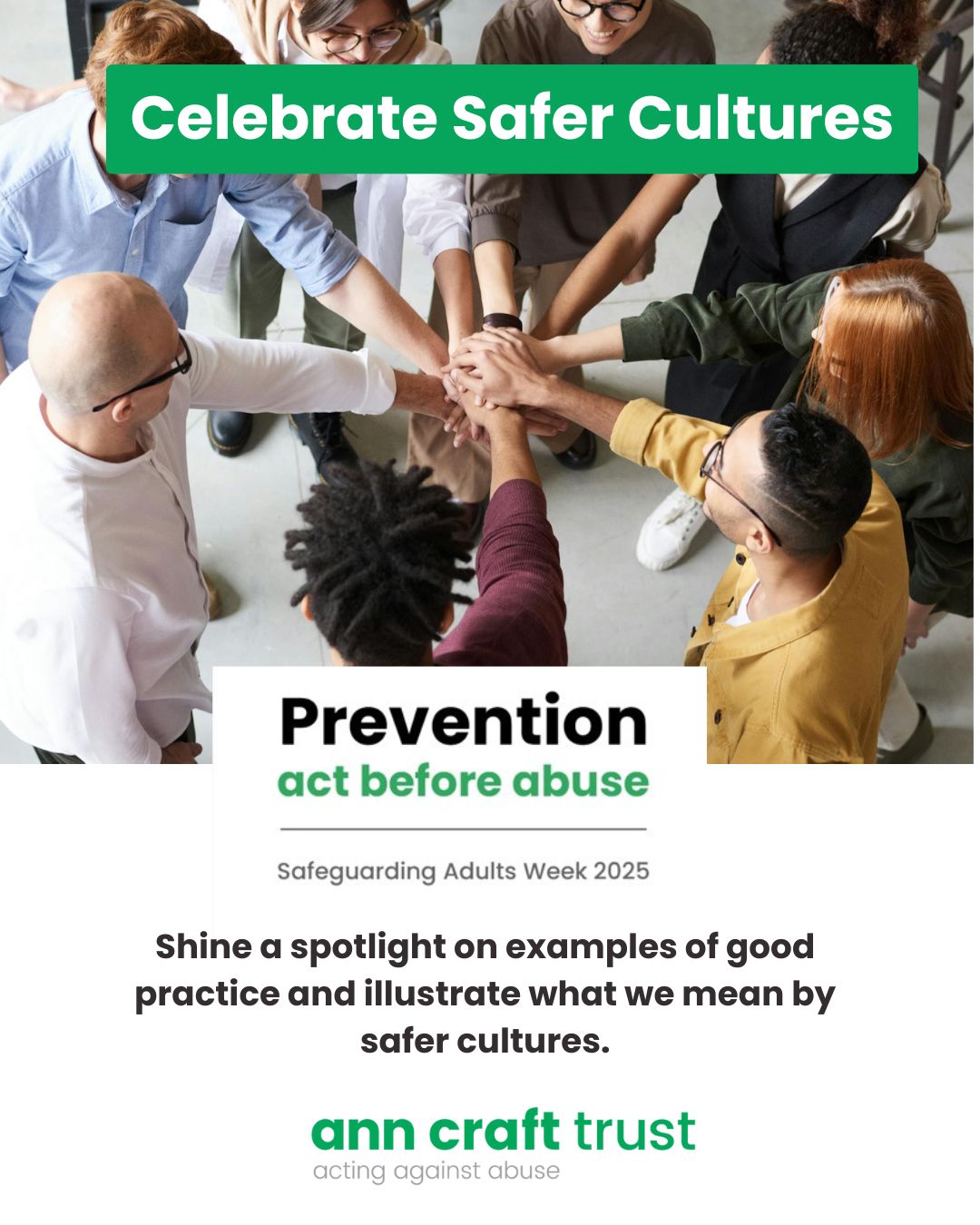
🛡️ Adult Safeguarding 2025
Protecting Adults at Risk – Everyone’s Responsibility
Adult Safeguarding means protecting a person’s right to live in safety, free from abuse and neglect.It’s about working together to prevent harm, support independence, and promote wellbeing.
In 2025, we continue to build stronger, safer communities by raising awareness of adult safeguarding — so that everyone knows the signs, understands what to do, and feels confident to act.
What is adult safeguarding?
Safeguarding means protecting people’s health, wellbeing, and human rights. It helps people live free from harm, abuse, and neglect.
It applies to adults who:
- have care and support needs (whether or not they receive support from the council)
- are experiencing, or at risk of, abuse or neglect
- and, as a result of those needs, are unable to protect themselves from harm
Safeguarding is not just about responding to abuse — it’s also about prevention, education, and empowerment.
Types of abuse or neglect
Abuse can take many forms. It may be:
- Physical abuse – hitting, slapping, misuse of medication
- Emotional or psychological abuse – threats, intimidation, humiliation
- Financial abuse – theft, fraud, or misuse of money
- Neglect or acts of omission – not meeting basic care needs
- Sexual abuse – unwanted sexual activity
- Domestic abuse – violence or control within relationships
- Organisational abuse – poor care or neglect in a service setting
- Modern slavery – exploitation, forced labour, human trafficking
- Discriminatory abuse – harassment or unfair treatment based on difference
Abuse can happen anywhere — at home, in hospital, in care settings, or in the community.
Recognising the signs
It’s not always easy to spot when someone is being abused or neglected.Look out for changes such as:
- unexplained injuries
- fearfulness or withdrawal
- sudden loss of money or possessions
- poor hygiene or unsafe living conditions
- isolation or loss of contact with friends and family
If something doesn’t feel right — say something.
What to do if you’re worried about someone
If you think an adult is at risk of abuse or neglect:
- Act now. Don’t wait until you’re certain.
- Contact your local council’s adult safeguarding team.
- If someone is in immediate danger, call 999.
- For non-emergencies, you can contact the police on 101.
- You can also talk to a health professional, social worker, or care provider.
You don’t need proof — just a concern. Your action could protect someone from harm.
Working together to keep people safe
Safeguarding is everyone’s business.NHS organisations, councils, police, care providers, voluntary groups, and communities all play a part in protecting adults at risk.
By listening, reporting, and acting early, we can make a real difference.
💙 Remember
- Everyone has the right to live in safety and dignity
- Abuse and neglect are never acceptable
- Speaking up can save lives
If you see something, say something.Together, we can make 2025 a safer year for everyone.
https://www.anncrafttrust.org/events/safeguarding-adults-week/